


Scar Tissue Hair Transplant
Surgical Precision | Natural Results | Doctor-led from start to finish
Conceal visible and unsightly scars on the scalp.
A specialised corrective procedure where live hair follicles are implanted directly into existing scar tissue to camouflage it.
Every consultation is led by our surgeons.
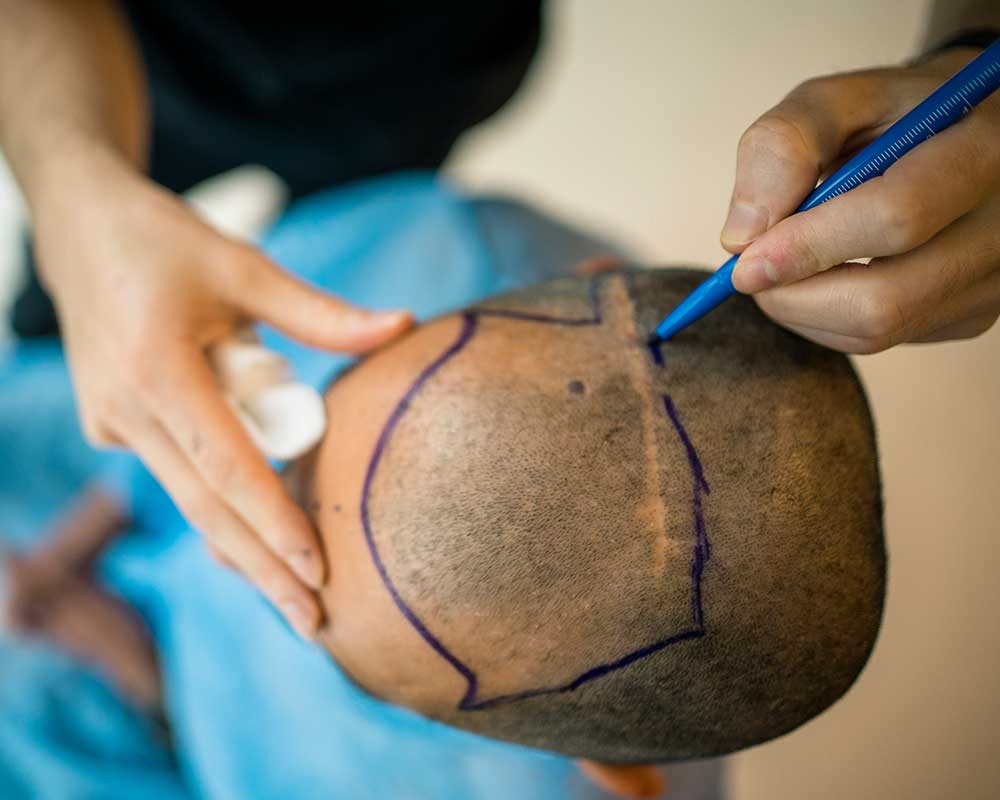
What is a Scar Tissue-concealing Hair Transplant?
A scar tissue hair transplant is a highly specialised corrective procedure where live, healthy hair follicles are implanted directly into existing scar tissue to permanently camouflage it. Because scars—whether from old surgeries, burns, or injuries—lack a robust natural blood supply, our surgeons use advanced micro-FUE techniques to precisely manage the depth and spacing of each graft. Once healed, the newly growing hair naturally breaks up the stark lines or patches of the scar, blending it seamlessly into the surrounding hair.
Are you a suitable candidate?
Eligible criteria will cover the following:
- Mature, Stable Scar Tissue: Scars that have completely healed, flattened, and settled—typically requiring at least 12 months from the initial injury or surgical intervention.
- Sufficient Donor Reserves: Healthy hair follicles available in your donor area (or secondary body donor zones) to harvest without causing noticeable thinning elsewhere.
- Good Underlying Micro-Circulation: Adequate localised blood supply within and surrounding the scarred area to nourish new hair grafts.
The Process
01
Assessment
Trichology assessment and tests
02
Extraction
Extract healthy follicles from donor zone
03
Implantation
Precision placement and angling
04
Activation
Post-procedure biostimulants and monitoring
Elscott Medical Approach
Transplanting hair into scar tissue is one of the most specialised disciplines in hair restoration. Scar tissue is denser, tougher, and naturally has reduced blood supply (vascularity) compared to normal skin. We use a highly controlled, low-density approach that minimises tissue trauma and gives every single follicle the maximum opportunity to establish a blood connection.
Where appropriate, we integrate advanced biostimulatory therapies to rejuvenate the surrounding tissue, turning compromised scar tissue into a healthy canvas for permanent hair growth.
The procedure
On the day of your procedure at our Glasgow clinic, your doctor precisely maps the scar boundary and marks out the donor area. Under gentle local anaesthetic, healthy single-hair and small follicular units are harvested from your donor zone using refined Follicular Unit Excision (FUE) micro-tools. The extracted grafts are immediately sorted and kept in specialised nutrient solutions under high-magnification microscopy.
Using micro-blades or precision implanter needles, your surgeon creates delicate recipient sites within the scar tissue. Grafts are spaced with intention to ensure that adjacent follicles do not compete for limited blood supply. Each follicle is hand-implanted at flat, natural angles that match the direction of the surrounding native hair, ensuring seamless visual coverage. The procedure typically takes between two to five hours depending on the size of the scar, during which you remain comfortable and relaxed in our private suite.
Recovery and results
Most patients resuming light daily routines within 5 to 7 days of the procedure. Crusting forms around the implanted grafts within the scar area, flaking off naturally during the first week as the skin settles. Because scar tissue naturally heals more slowly due to reduced blood flow, you will receive a tailored aftercare plan and close, direct monitoring from your surgical team throughout the early healing phase.
Transplanted hairs naturally shed within two to four weeks post-procedure, which is a standard biological reset phase. Brand-new, permanent hair growth typically begins to emerge around month three or four, though growth through dense scar tissue can sometimes take slightly longer to mature than on a normal scalp. Final visual density and mature coverage settle between 12 to 15 months, effectively disguising the scar beneath natural, growing hair.
Get in touch, and let's discuss your needs
A consultation at Elscott begins with what your hair loss is, why it is happening, and what, if anything, is worth doing about it.
Price
Typically from £3,000
Anaesthetic
Local anaesthetic
Procedure time
2-5 hours
Recovery
5-7 days
Scarring
Minimal, micro-incisions
Suitable for
Areas of mature, stable scar tissue
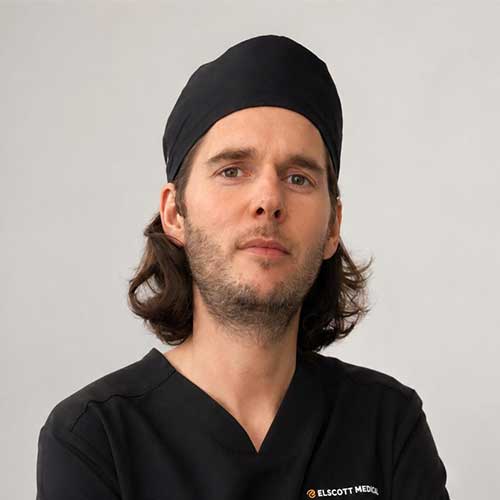
“Restoring hair in scar tissue requires an exceptionally delicate touch. Because scarred skin lacks normal blood flow, every graft must be placed with calculated precision to avoid crowding the tissue. By combining refined micro-FUE techniques with targeted cellular therapies, we can rehabilitate compromised scar tissue and restore natural hair where it seemed impossible.”
Dr Adrian Scott
Co-Founder & Hair Transplant Surgeon, Elscott Medical
Frequently Asked Questions
Yes, hair grafts can survive and grow successfully in scar tissue, provided the scar is fully mature and has adequate underlying blood supply. While graft survival rates in scar tissue are slightly lower than in unoperated skin (typically 70–80% compared to 90%+ on a normal scalp), our surgeons use specialised low-density spacing and delicate micro-incisions to maximise blood flow to each root. This allows the transplanted hair to establish a new blood supply and grow permanently.
Most flat, mature surgical or traumatic scars—such as linear donor scars from old strip surgeries (FUT), facelift marks, or neurosurgical incisions—respond exceptionally well to hair transplants. However, raised keloid scars, thick hypertrophic scars, or active inflammatory skin conditions must be carefully evaluated first. In some cases, we may recommend pre-treating a raised or firm scar with localised medical therapies to soften and flatten the tissue before attempting graft placement.
Yes, combining scar transplantation with biostimulatory treatments—such as targeted cellular injections or Exosome Therapy—can significantly enhance your results. These advanced therapies introduce natural signaling proteins and growth factors into the scar bed, which stimulates angiogenesis (the formation of new microscopic blood vessels). Improving the scar’s blood supply prior to or during surgery dramatically increases graft survival rates and helps soften tough scar tissue over time.
While a hair transplant may not erase the underlying scar tissue beneath the skin, it dramatically disguises the scar visually. By implanting natural hair directly through and around the scarred area, the growing hair breaks up the stark contrast of bare skin, allowing the scar to blend seamlessly into your surrounding scalp, eyebrow, or beard hair. For most patients, the scar becomes completely unnoticeable to the naked eye.
Prices very depending on the specifics of each case but, in general, a hair transplant to conceal scar tissue costs around £3,000.
Ready to take your first step?
Every consultation is led by Hala or Adrian — our surgeons who will care for you from first conversation through to follow-up
Hair Knowledge Hub
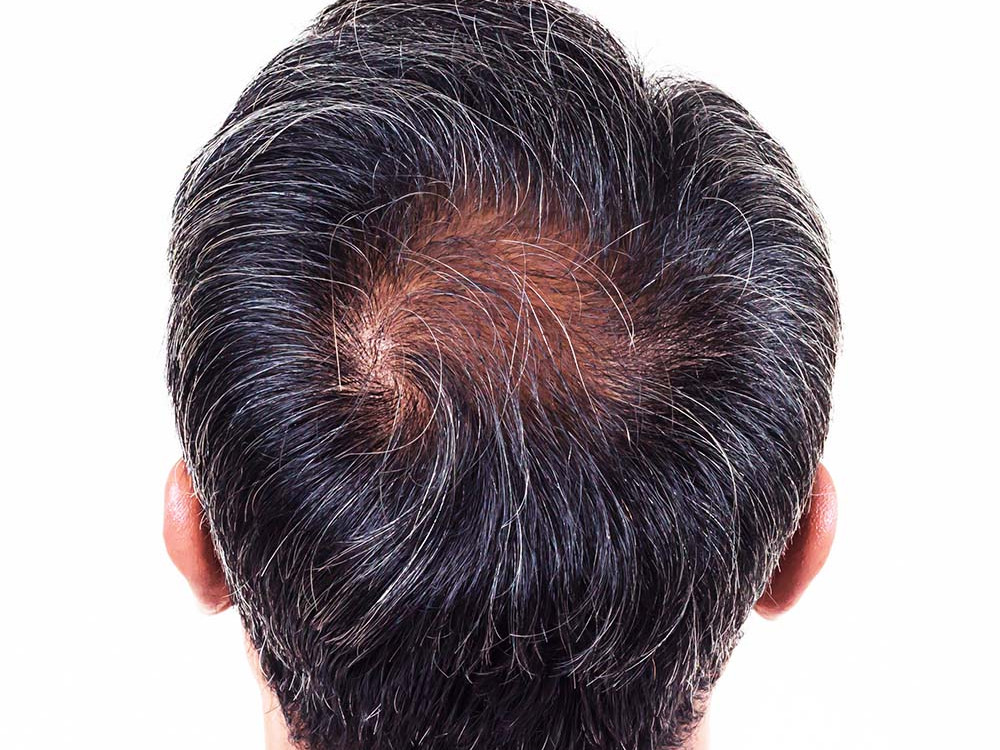
Male Pattern Baldness and The Norwood Scale
Understanding genetic hair thinning, Male Pattern Baldness and the Norwood…
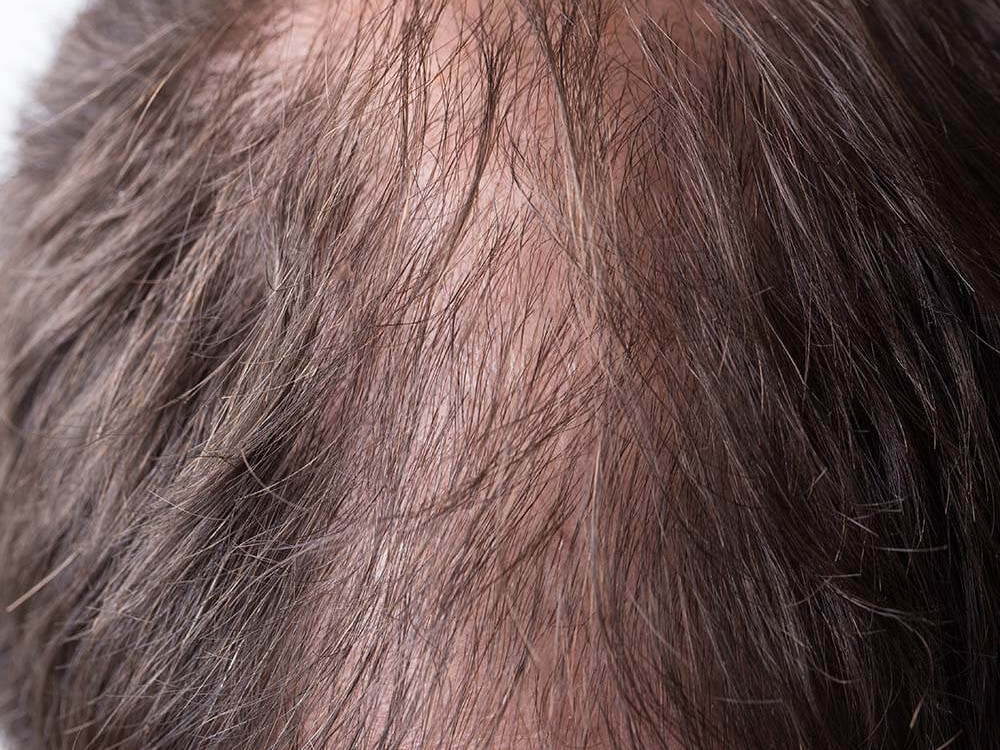
Hair Regrowth Medications and Biostimulants
Evaluating the ideal balance between surgical placement and medical protection…
Female Hair Loss & The Ludwig Scale
We explain the unique biological triggers and diagnostic stages of female hair…

Red Hair – Scottish Genetics and Red Hair Loss
Scotland has the highest global prevalence of the MC1R red hair gene. Discover…