


Hair Regrowth Medications and Biostimulants: Are They Effective and Safe?
The science behind hair regrowth medications and cellular rejuvenation of hair follicles
An insight into the clinical efficacy, safety and underlying science of modern hair regrowth medications and non-invasive biological stimulants.
The Modern Clinical Approach to Hair Restoration
For decades, individuals looking to remedy hair thinning were forced to rely on unverified retail supplements or aggressive surgical interventions. Today, clinical trichology is firmly anchored in evidence-based medicine. When patients ask whether hair loss treatments are safe and effective, the definitive clinical answer is yes—provided they are chosen to match your biological hair loss profile and administered under strict medical supervision.
Modern hair restoration relies on a holistic approach that tackles hair loss from two distinct biological directions: pharmaceutical hormone regulation to stop the root cause of thinning, and targeted biostimulation to physically revive failing follicle cells.
The Core Medications — Finasteride and Minoxidil
The undisputed medical foundation for halting genetic hair thinning revolves around two primary therapeutic agents: Finasteride and Minoxidil (frequently referred to in clinical circles as the “FinMin” regimen).
- Finasteride works systematically to block the 5-alpha reductase enzyme, preventing the conversion of testosterone into Dihydrotestosterone (DHT)—the hormone directly responsible for shrinking hair follicles.
- Minoxidil acts as a powerful vasodilator, widening local blood vessels to flood weakened hair roots with oxygen and essential nutrients.
While these treatments are traditionally applied topically, low-dose oral versions of Finasteride and Minoxidil have become the gold standard for superior, reliable clinical outcomes. Because these are potent systemic medications, oral hair loss treatments cannot be purchased over the counter; they require a strict medical evaluation and prescription from a qualified medical doctor or a specialist hair transplant surgeon to ensure optimal safety and correct dosage mapping.

Photo by Harrison Cohen on Unsplash
The Synergy of Biostimulants and Combination Regimes
While medications defend the hair follicle from hormonal degradation, non-surgical biostimulants are introduced to actively supercharge cellular repair. Biostimulatory treatments—such as medical-grade cellular injections, advanced Exosome Therapy, and clinical Laser Light Therapy—work by triggering intracellular signaling pathways, boosting ATP energy production, and generating brand-new micro-vascular pathways across the scalp canvas.
At Elscott Medical, our expertise lies in designing highly customised, combination hair regrowth treatments and long-term hair health regimes. We recognise that surgery is only one tool in the kit. By combining prescription medications to halt thinning with advanced biostimulants to awaken dormant roots, we aim to achieve optimal, dense, and permanent results. This dual-action strategy safely stabilises native hair loss, ensuring that whether you opt for a standalone medical plan or use it to protect an FUE Hair Transplant, your results are built for longevity.
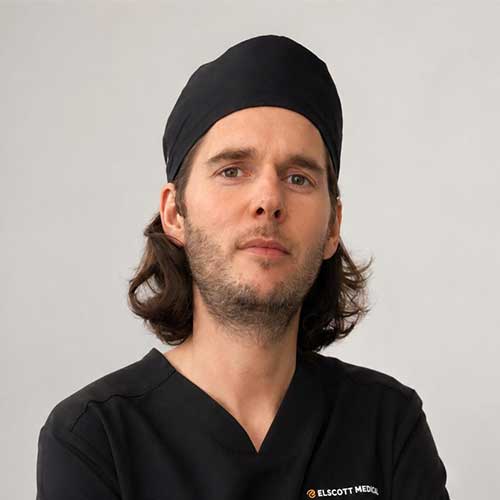
“Many clinics treat hair loss as a one-time event, but it is a progressive, lifelong biological condition. True success requires clinical expertise in blending internal pharmaceutical defense with targeted external biostimulation. By tailoring these combination regimens to a patient’s genetic needs, we slow down hair thinning and fundamentally change the trajectory of their hair longevity.”
Dr Adrian Scott
Co-Founder & Hair Transplant Surgeon, Elscott Medical
Frequently Asked Questions
Low-dose oral medications are often highly effective because they remove the compliance issues of daily topical lotions and ensure a consistent, systemic therapeutic level. However, because oral medications are absorbed throughout the body, they must be strictly managed and prescribed by a hair transplant surgeon or medical doctor who can monitor your progress and tailor the dosages to minimise side effects while maximising hair density.
Biostimulants refer to a category of advanced, non-surgical therapies that use light or specialised cellular proteins to naturally trigger hair follicle regeneration. Rather than introducing synthetic chemicals, treatments like Laser Light Therapy or targeted cellular serums feed the hair root directly, forcing follicles out of their resting phase and back into an active, healthy growth cycle.
Hair grows in slow, natural biological phases. While active hair shedding is often reduced or stabilised within the first 6 to 12 weeks of starting an Elscott combination plan, visible changes in hair thickness, volume, and scalp coverage typically take between 6 to 9 months to mature. Consistency and long-term adherence to your prescribed routine are essential to maintaining these cellular improvements.
Ready to take your first step?
A consultation at Elscott begins with what your hair loss is, why it is happening, and what, if anything, is worth doing about it.
Hair Knowledge Hub
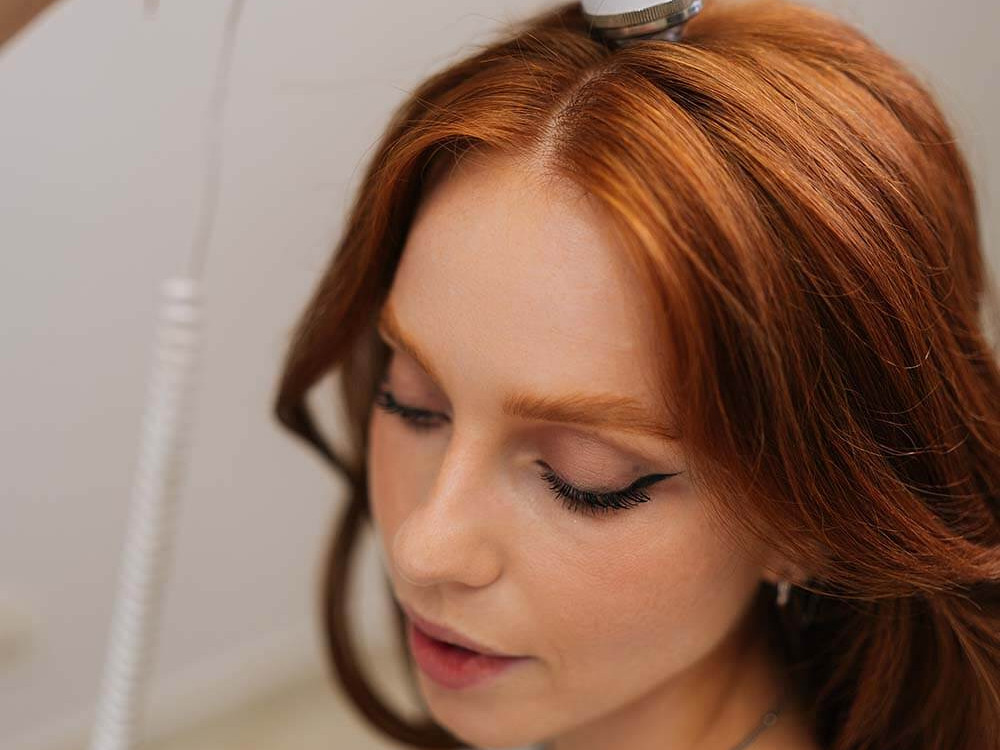
Female Hair Loss & The Ludwig Scale
We explain the unique biological triggers and diagnostic stages of female hair…
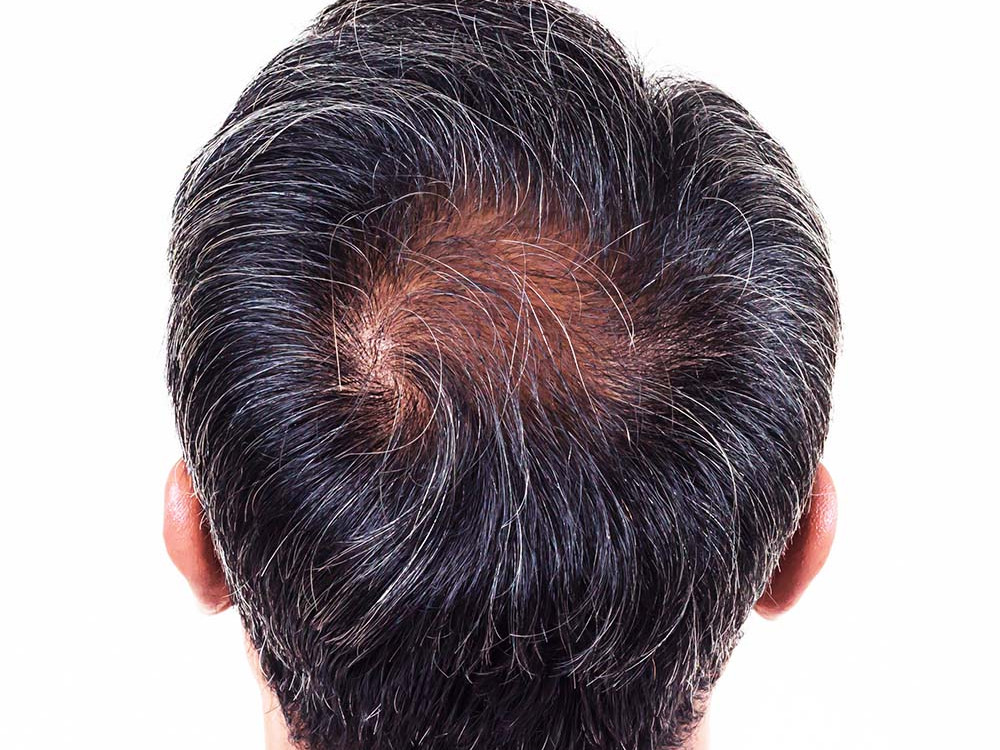
Male Pattern Baldness and The Norwood Scale
Understanding genetic hair thinning, Male Pattern Baldness and the Norwood…
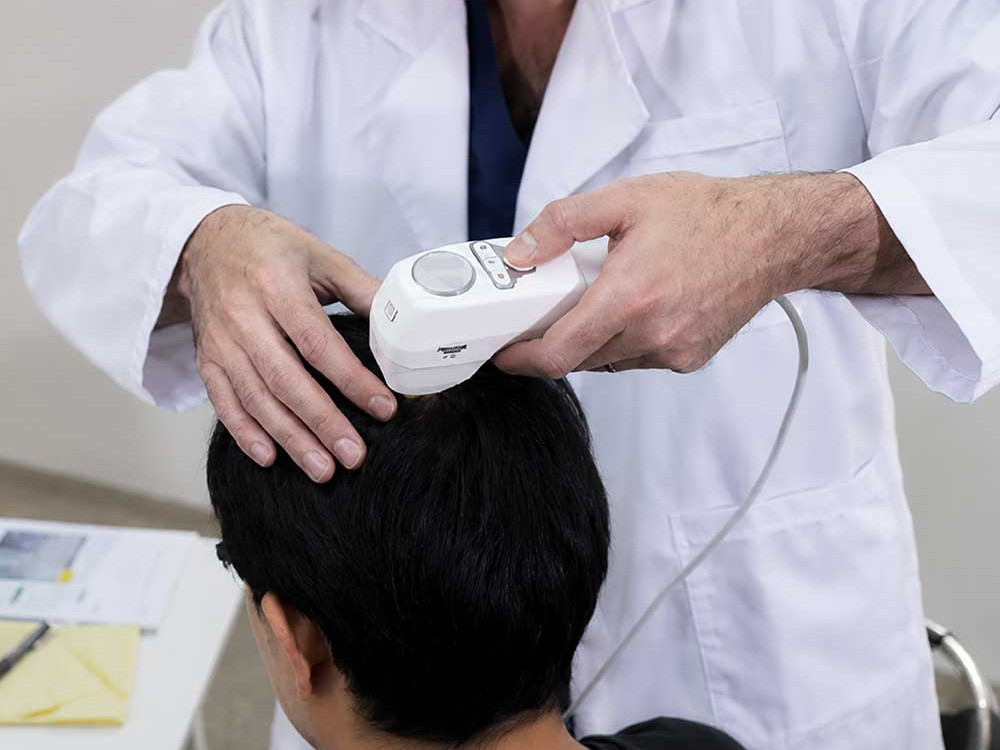
Patient Consultation and Diagnostic Assessment
Your hair regrowth journey at Elscott Medical begins with a doctor-led patient…

Red Hair – Scottish Genetics and Red Hair Loss
Scotland has the highest global prevalence of the MC1R red hair gene. Discover…