


Celtic Hair Genetics: Hair Loss and Restoration for Natural Redheads
Understanding the MC1R Gene, Follicular Density, and the unique approach taken by Elscott Medical in their Glasgow clinic to assess and create custom hair regrowth plans for Scotland’s native redheads.
Scotland has the highest global prevalence of the MC1R red hair gene. Discover how it fundamentally alters hair density, texture, and individual hair restoration strategies.
The Biological Reality of Celtic Hair
Scotland possesses a wonderfully rich and diverse textile of hair characteristics, deeply rooted in historical Celtic and Viking migrations. While various shades of brown and blonde make up the vast majority of the population, Scotland is renowned for having a very high concentration of natural red hair, with approximately 6% of the population carrying this distinct genetic trait.
This striking coloration is dictated by a recessive genetic variant on chromosome 16, specifically altering the Melanocortin 1 Receptor (MC1R gene). However, the MC1R gene governs far more than just pigment. It changes the physical structure, diameter, and density of the hair follicles themselves, meaning that individuals with Celtic ancestry require a highly specialised approach when addressing hair thinning.
Distinct Hair Loss Patterns in Redheads
In our Glasgow clinic, we frequently observe that patients with natural red hair experience hair loss progression differently than brunettes or blondes. On average, a natural redhead has significantly fewer total hair follicles on their scalp—roughly 90,000 strands compared to the 110,000 to 140,000 strands typical of blondes or darker hair types. To compensate for a lower follicle count, red hair strands are naturally much thicker, coarser, and often feature robust, uneven wave patterns colloquially known as “Celtic waves” or “Scottish curls”.
Because of this lower baseline follicle count, even early-stage Male Pattern Hair Loss or Female Hair Loss can become visually apparent much faster. The contrast between light copper or red pigments and a pale scalp can quickly create the illusion of advanced diffuse thinning, particularly under direct light. Additionally, the skin of natural redheads is often highly sensitive, prone to micro-inflammation, and structurally delicate, which accelerates follicle miniaturisation if left unmanaged.
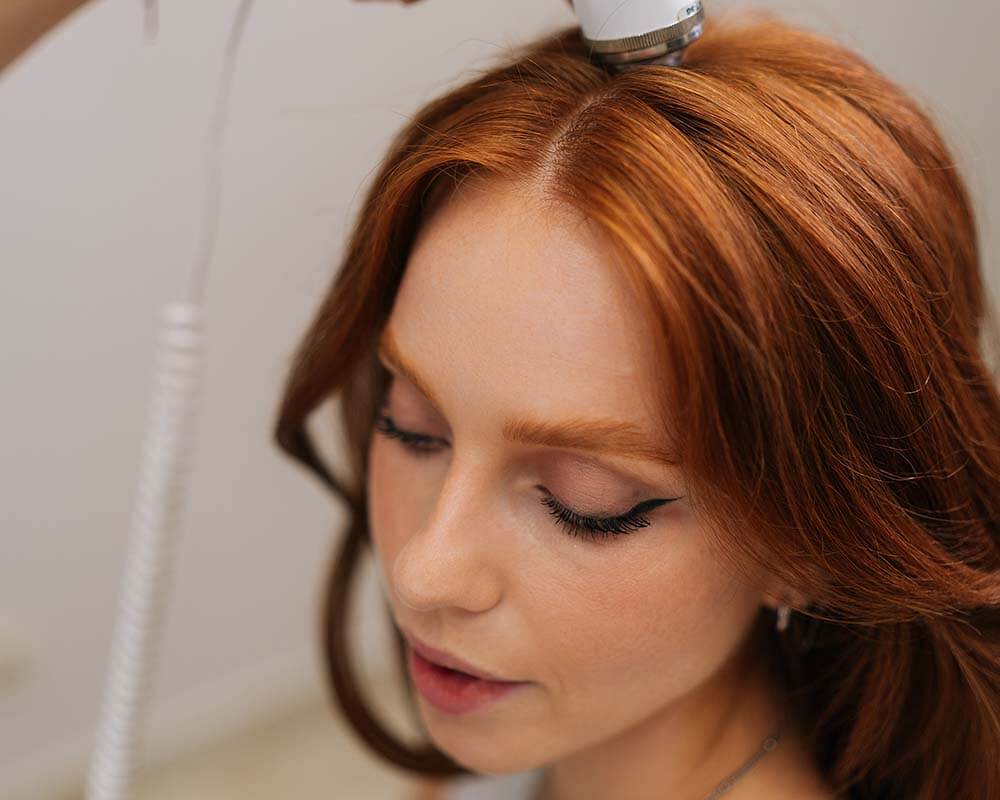
Tailoring Restoration for the MC1R Profile
Because of these distinct biological factors, generic, one-size-fits-all treatments are inadequate for Celtic hair structures. At Elscott Medical, our advanced, holistic, and meticulous approach is engineered to respect these exact genetic differences. We combine high-magnification digital trichoscopy to map your specific follicle calibre with targeted Hair Loss Medications to soothe sensitive scalp skin and halt active shedding.
If a patient is an ideal candidate for surgical intervention, restoring an uneven “Scottish curl” or a coarse red hairline requires artistic precision. During a FUE Hair Transplant, our surgeons hand-isolate single-hair grafts under high power, precisely calculating the exit angle to ensure that the coarse, wavy texture blends seamlessly with your native hair flow, preventing an artificial or stubborn look.
“When restoring red hair, you are dealing with a completely unique biological canvas. The lower follicle density means we have a precious, limited donor supply, while the thicker, coarser hair shafts demand absolute precision during implantation to mimic natural Celtic wave patterns. We cannot treat red hair using standard protocols—it requires a profound marriage of genetic science and bespoke surgical artistry.”
Dr Hala Elgmati
Co-Founder & Hair Transplant Surgeon, Elscott Medical
Frequently Asked Questions
Having red hair does not reduce the ultimate success rate of an FUE hair transplant, but it heavily influences the surgical strategy. Because redheads naturally have fewer overall follicles on the back and sides of the head, donor management must be exceptionally precise to avoid over-harvesting. However, because red hair shafts are thicker and coarser, fewer total grafts are often required to achieve excellent, dense visual coverage compared to someone with fine hair.
Due to the highly sensitive skin types typically associated with Celtic genetics and red hair, minimising chronic scalp inflammation is critical. We highly recommend combining tailored Regenerative Injections to naturally stimulate cell recovery with non-invasive Laser Light Therapy, which reduces tissue redness and delivers energy directly to the hair roots without chemical irritation.
Red hair contains a specific type of melanin called pheomelanin, which gives it its copper hue, and its strands are physically wider than other hair types. When red hair begins to thin or miniaturise due to genetic hair loss, it can quickly lose its natural elasticity and wave pattern, turning brittle or unruly before it falls out. Catching this early with protective therapies preserves both the unique texture and the density of your hair.
Ready to take your first step?
A consultation at Elscott begins with what your hair loss is, why it is happening, and what, if anything, is worth doing about it.
Hair Knowledge Hub
Female Hair Loss & The Ludwig Scale
We explain the unique biological triggers and diagnostic stages of female hair…
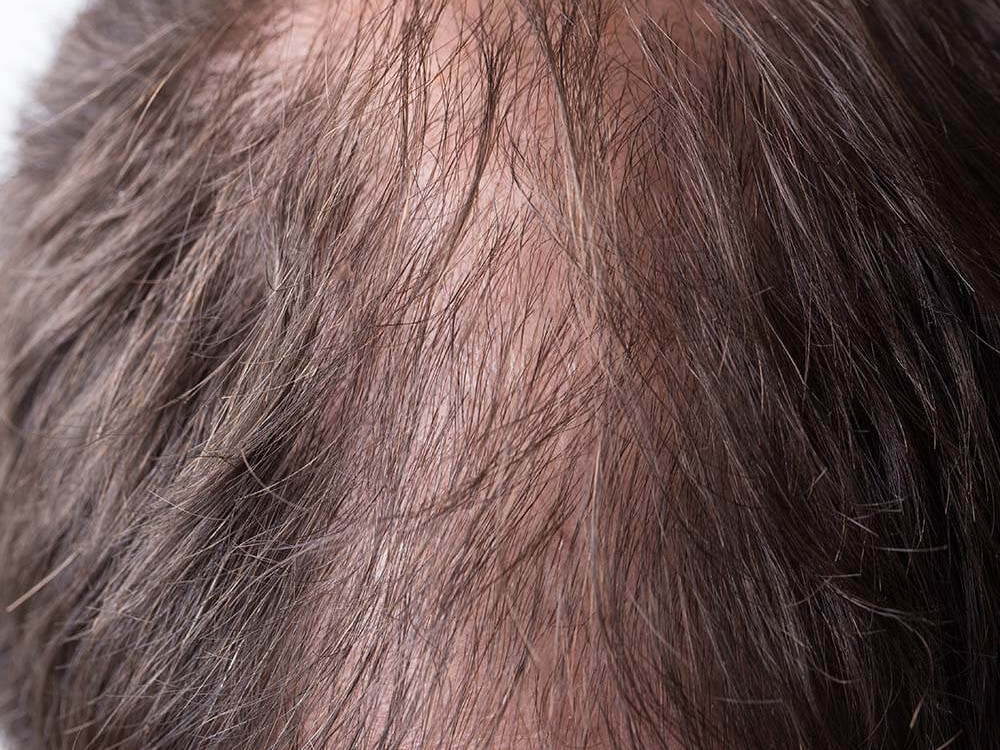
Hair Regrowth Medications and Biostimulants
Evaluating the ideal balance between surgical placement and medical protection…
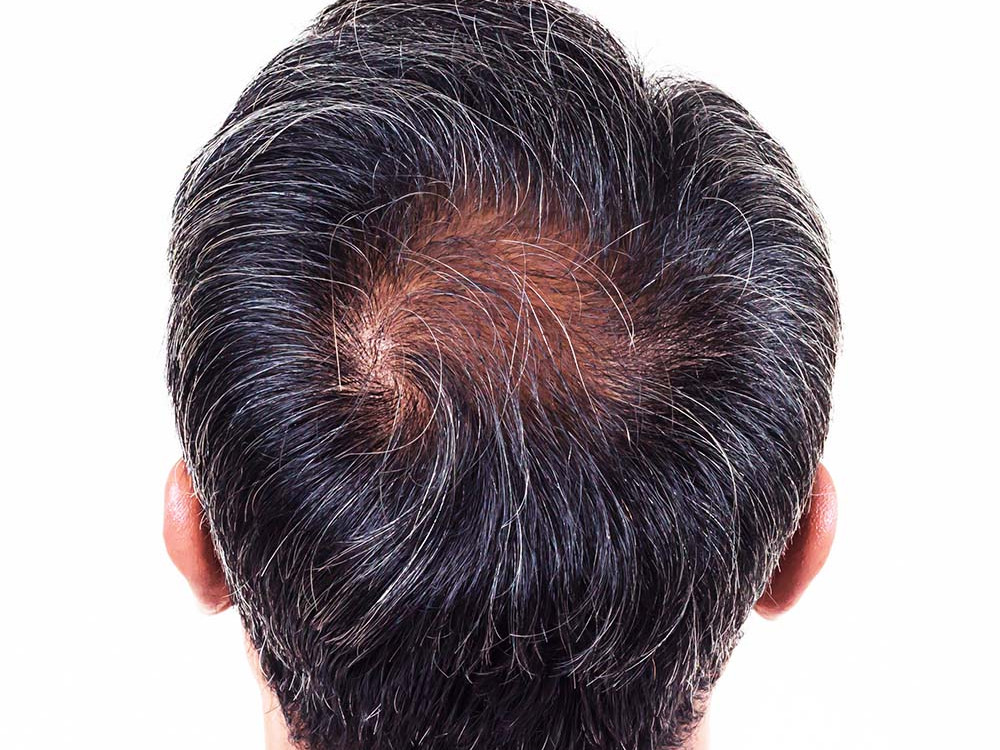
Male Pattern Baldness and The Norwood Scale
Understanding genetic hair thinning, Male Pattern Baldness and the Norwood…
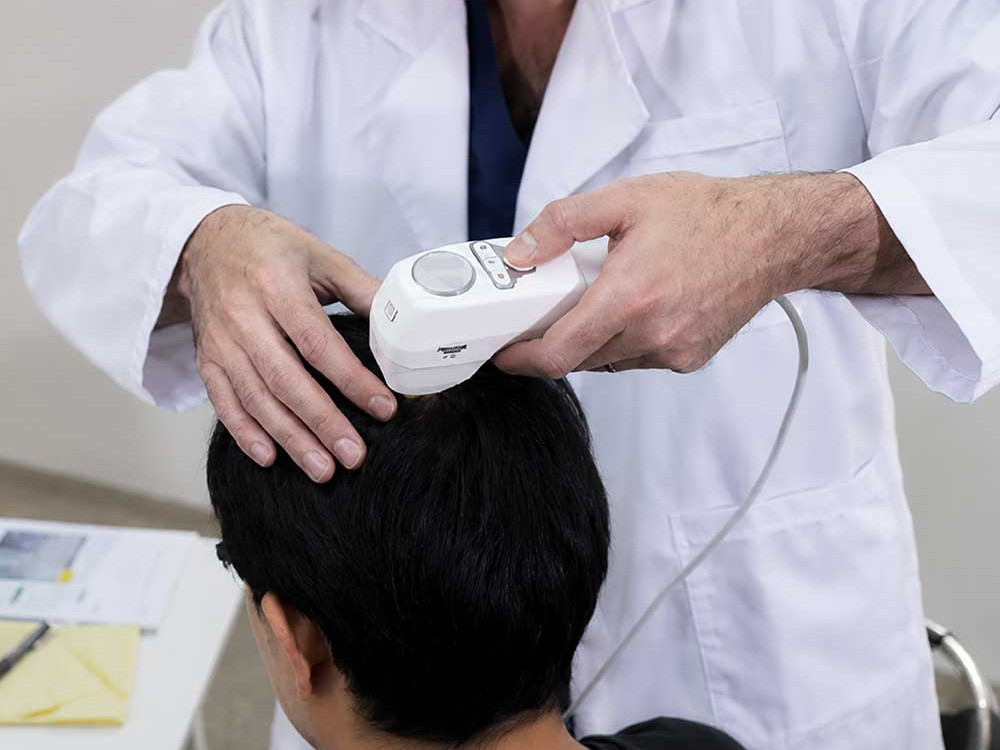
Patient Consultation and Diagnostic Assessment
Your hair regrowth journey at Elscott Medical begins with a doctor-led patient…