


Corrective 'Revision and Repair' Hair Restoration
Surgical Precision | Natural Results | Doctor-led from start to finish
We are expert in helping patients seeking a revision and repair of a poorly executed hair transplant previously done elsewhere.
Every consultation is led by our surgeons.
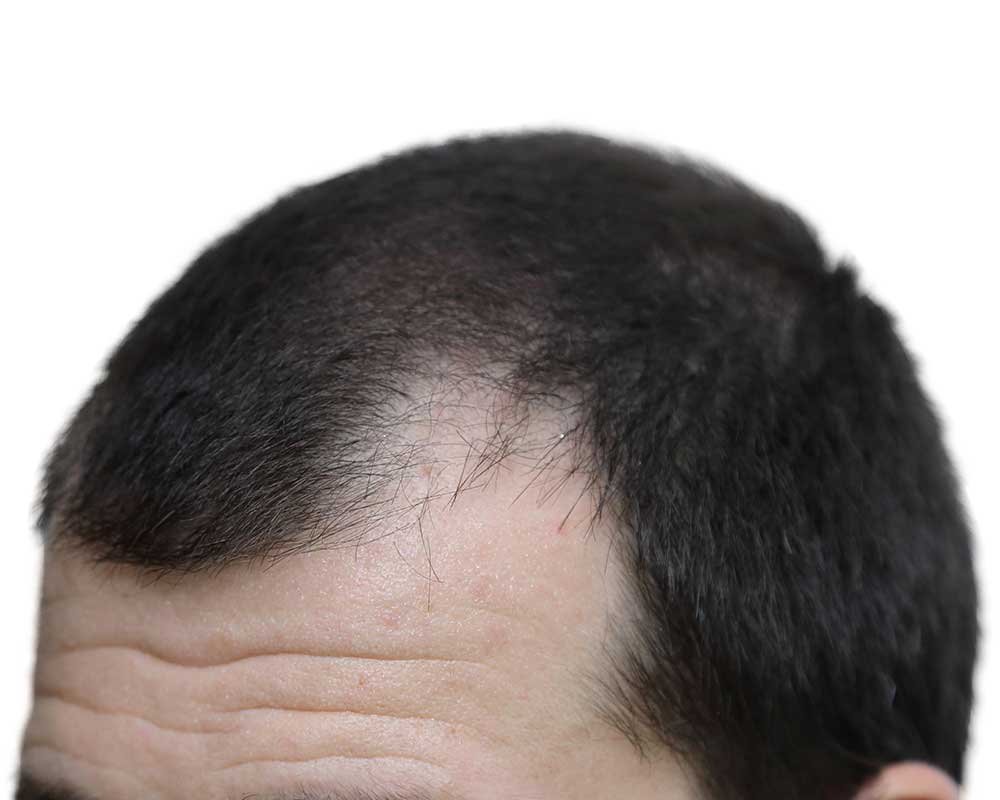
What is a Correction or Revision Hair Transplant?
A corrective hair transplant is a specialised, micro-surgical procedure designed to fix, refine, or camouflage the results of a previous, unsuccessful hair restoration. It typically involves extracting poorly placed or “pluggy” grafts, redistributing them at natural angles, and using advanced techniques to conceal surgical scarring or repair an over-harvested donor area. Ultimately, it restores the natural scalp appearance and the patient’s confidence after a substandard clinical outcome.
Are you a suitable candidate?
If you are living with the aesthetic or physical aftermath of a previous, unsatisfactory hair restoration procedure, then you could be suitable candidate. Patients typically seek to correct unnatural “pluggy” hairlines, unnatural hair angles, low density, or visible scarring. Essential requirements for a successful corrective procedure include:
- Sufficient Remaining Donor Capacity: Adequate healthy hair follicles remaining in your donor zones.
- Fully Healed Scalp Tissue: Scalp skin and donor sites that have completely recovered and stabilised from all previous surgical interventions.
- Realistic expectations: A clear, medical understanding of what can be realistically achieved.
The Process
01
Assessment
Understand history of previous procedure
02
Prepare and plan
Trichological tests, and mapping out donor zones
03
Implantation
Precision placement and angling
04
Activation
Post procedure biostimulants and monitoring
Elscott Medical Approach
Corrective hair transplantation a technically challenging discipline. Patients seeking revisions have often experienced low-cost overseas procedures where over-harvesting, and poor hairline design yielded harsh, unnatural, or patchy results. We don’t view corrective surgery as a standard routine; it is a delicate micro-surgical repair that demands a high level of surgical expertise, medical empathy, and artistic judgment.
Before planning your revision, we perform an exhaustive trichoscopic analysis to assess your remaining donor supply, evaluate underlying scalp scar tissue, and determine the exact angle and direction of previously misplaced grafts. Our meticulous approach often combines precision graft removal or camouflage with targeted non-surgical cellular therapies to rehabilitate damaged scalp tissue, restoring both your hair density and your confidence.
The procedure
Under gentle local anaesthetic at our Glasgow clinic, your surgeon precisely extracts any harsh, “pluggy,” or incorrectly angled grafts using specialised micro-FUE tools. These extracted grafts are meticulously dissected under high-power microscopy, recycled into delicate single-hair units, and prepared for re-implantation.
Next, fresh, healthy single-hair grafts are harvested from your remaining donor reserves (or secondary body donor zones if necessary). Using ultra-fine implanter devices, your surgeon carefully creates recipient sites that disguise underlying scar tissue and hand-implants each graft at a natural, soft angle. Controlling the direction and shallow placement depth is vital to ensure new hair grows seamlessly over old surgical marks.
Recovery and results
Initial healing follows a similar timeline to standard FUE, with most patients returning to light daily routines within 7 to 10 days. Micro-crusts form around the newly implanted and recycled grafts, flaking off naturally within the first week. Because corrective cases frequently involve working into pre-existing scar tissue, which can have reduced blood flow, you will receive a specialised post-procedure aftercare protocol and direct surgical monitoring to optimise graft take and support smooth tissue recovery.
The newly implanted hair will naturally shed within two to four weeks post-procedure as part of the standard biological growth cycle. Brand-new, natural growth begins to emerge around month three or four, continuously thickening and softening over the following months. Final visual results mature between 12 to 18 months, revealing a soft, completely natural hairline and a beautifully restored, cohesive look that erases the evidence of a failed previous procedure.
Get in touch, and let's discuss your needs
A consultation at Elscott begins with what your hair loss is, why it is happening, and what, if anything, is worth doing about it.
Price
Typically from £4,000-£8,000
Anaesthetic
Local anaesthetic
Procedure time
4-8 hours
Recovery
Immediate
Scarring
Minimal, micro-incisions
Suitable for
Recipients of badly executed hair transplants
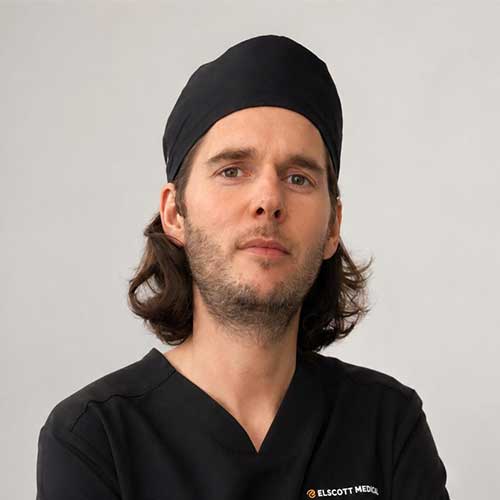
“Fixing a poor hair transplant requires micro-surgical artistry to remove or re-angle old, harsh grafts, rehabilitate compromised scar tissue, and preserve every single remaining donor hair. Our goal in corrective surgery is simple: to make it look as though you never had a bad procedure in the first place.”
Dr Adrian Scott
Co-Founder & Hair Transplant Surgeon, Elscott Medical
Frequently Asked Questions
Yes. Unnatural or “pluggy” hairlines—often caused by placing large multi-hair grafts too far forward or at steep, unnatural angles—can be successfully corrected. Our surgeons utilise specialist micro-FUE punches to carefully excise individual misaligned or large grafts. Once extracted, we clean and dissect those grafts under high-magnification microscopy into natural single-hair units, which are then re-implanted at soft, natural angles along a properly designed, age-appropriate hairline to completely soften and erase the artificial appearance.
Over-harvesting in the donor zone is a common issue following rushed, budget procedures overseas, leaving patchy or moth-eaten areas at the back of the head. If your primary scalp donor supply is severely depleted, our surgeons conduct a thorough evaluation to identify secondary donor options. We can frequently harvest robust single-hair grafts from the beard or chest area via Body Hair Transplantation (BHT) to rebuild density on the scalp, while using targeted scalp treatments to improve the visual coverage of the depleted donor area.
Yes, scar tissue naturally has reduced blood supply and micro-circulation compared to healthy, unoperated skin, which can make graft acceptance slightly more challenging. However, our surgeons utilise specialised incisions and precise graft spacing to minimise tissue trauma. Furthermore, we frequently combine corrective surgery with advanced biostimulatory treatments—such as Regenerative Injections or Exosome Therapy—to stimulate new capillary growth (angiogenesis) within the scar tissue, improving graft survival rates.
As a general rule, you must wait at least 10 to 12 months after your initial surgery before undergoing a revision or corrective procedure. This waiting period is critical for two key reasons: first, it allows the scalp tissue and underlying blood supply to fully heal and settle; second, it allows all transplanted hair from the previous procedure to mature completely so our surgeons can accurately assess what needs to be removed, disguised, or added. Moving too early on unhealed tissue increases the risk of scarring and poor graft survival.
Prices very depending on the specifics of each case but, in general, Corrective Hair Restoration costs between £4,000 and £8,000.
Ready to take your first step?
Every consultation is led by Hala or Adrian — our surgeons who will care for you from first conversation through to follow-up
Hair Knowledge Hub
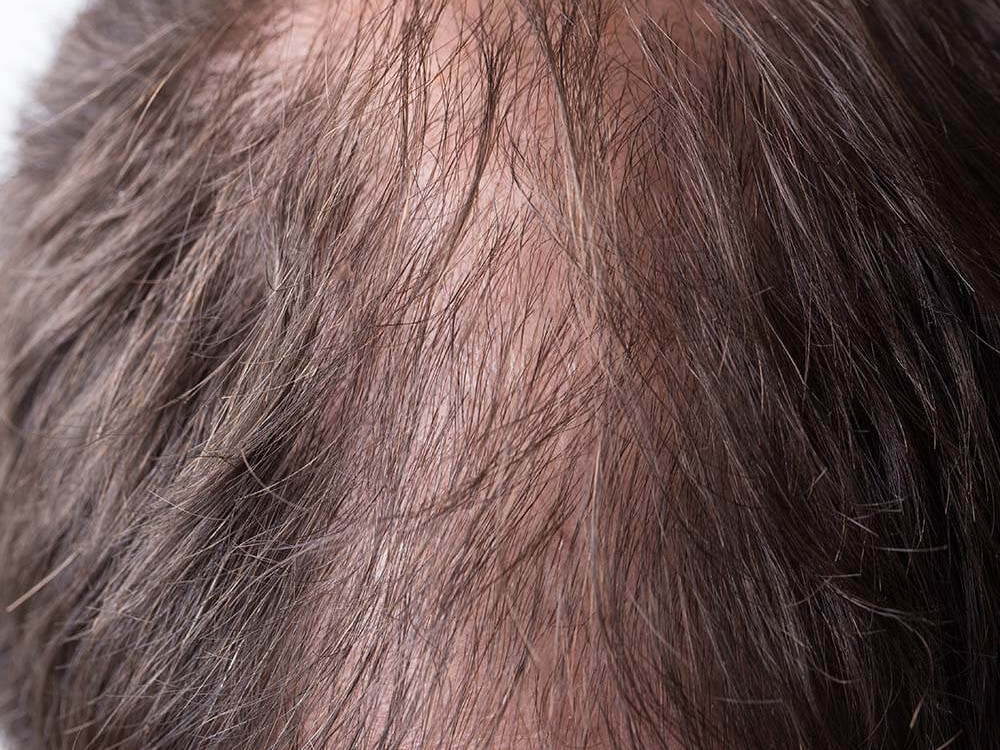
Hair Regrowth Medications and Biostimulants
Evaluating the ideal balance between surgical placement and medical protection…
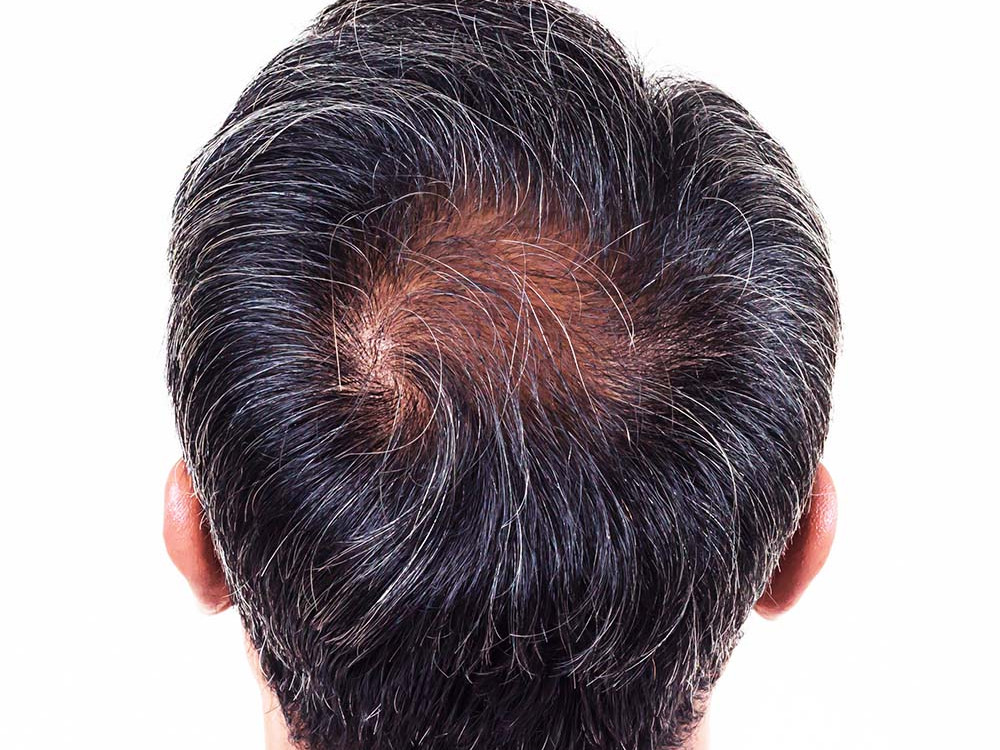
Male Pattern Baldness and The Norwood Scale
Understanding genetic hair thinning, Male Pattern Baldness and the Norwood…
Red Hair – Scottish Genetics and Red Hair Loss
Scotland has the highest global prevalence of the MC1R red hair gene. Discover…
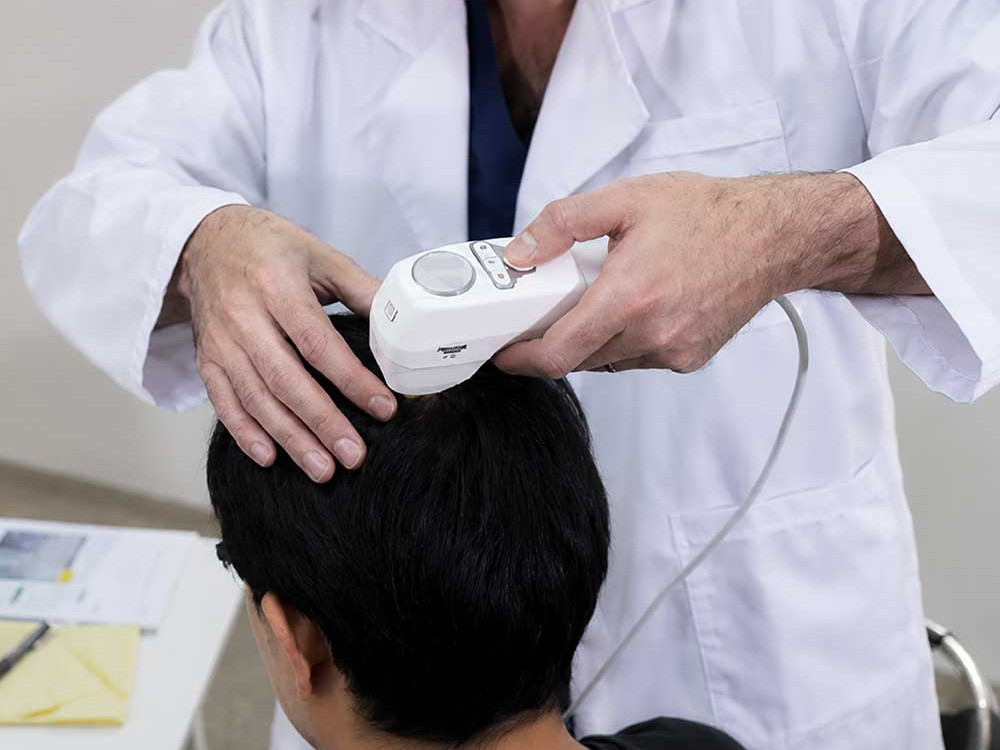
Patient Consultation and Diagnostic Assessment
Your hair regrowth journey at Elscott Medical begins with a doctor-led patient…